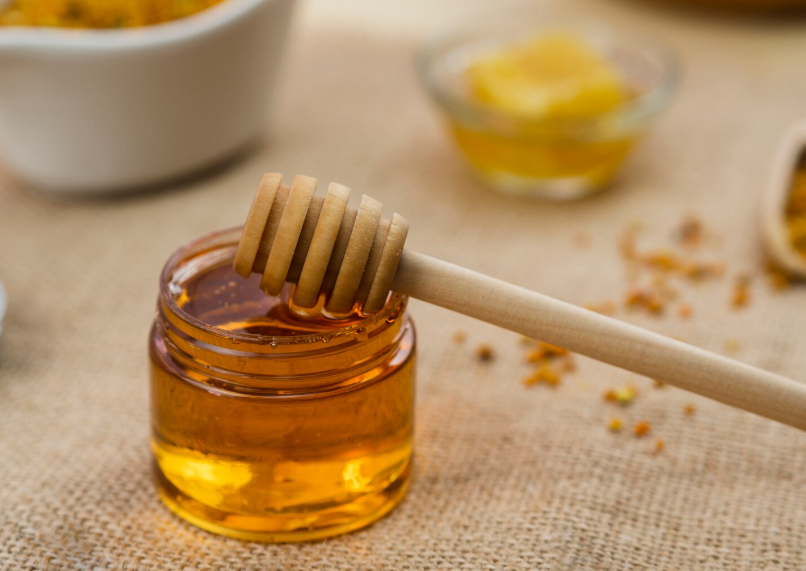
In the world of natural remedies, nothing quite compares to the unique properties and widespread acclaim of manuka honey. Originating from the nectar of the Manuka tree, this honey has been lauded not only for its rich taste but also for its remarkable health benefits, setting it apart from ordinary honey varieties.
The Unique Origins of Manuka Honey
Manuka honey is derived from the Manuka tree, scientifically known as Leptospermum scoparium. This tree is a key contributor to the honey’s distinctive composition. The production process begins when bees feed on the Manuka tree’s flowers, leading to a honey that carries several unique compounds, most notably methylglyoxal (MGO) and dihydroxyacetone (DHA), both of which are instrumental in its health-promoting properties.
Chemical Composition and Its Benefits
The standout factor in manuka honey is the naturally occurring MGO, which has been shown to possess antibacterial properties. This compound arises from the conversion of DHA, found in high concentrations in the nectar of Manuka flowers. The Unique Manuka Factor (UMF) rating is also critical, as it measures the honey’s antibacterial potency. The higher the UMF rating, the more significant its potential health benefits.
Healing Properties and Applications
Manuka honey’s health benefits are diverse, making it a sought-after ingredient in various medicinal and wellness applications. Its antibacterial action makes it an effective natural remedy for wound care and infections. Numerous studies have demonstrated its efficacy in promoting faster healing by preventing bacterial growth. Additionally, its antimicrobial properties make it a beneficial component in treating skin conditions such as acne and eczema.
Beyond the Surface: Internal Benefits
Aside from its topical uses, manuka honey is also consumed for its potential benefits to the digestive system. It may help soothe the gastrointestinal tract, making it beneficial for individuals suffering from peptic ulcers or gastritis. Its prebiotic content can further aid in maintaining gut health by promoting the growth of beneficial bacteria.
Enhancing Oral Health
The advantages of manuka honey extend to oral health. Unlike other forms of sugar that can contribute to cavities, manuka honey’s antibacterial qualities help combat harmful oral bacteria, thus supporting overall dental hygiene. Research suggests it can assist in reducing plaque formation and managing gingivitis, leading to healthier gums and teeth.
Role in Immune Support
Incorporating manuka honey into one’s diet could bolster the immune system. Its unique combination of antiviral, antifungal, and antibacterial effects can provide a supportive role in enhancing the body’s natural defences. Regular consumption may contribute to a reduced incidence of common illnesses, such as colds and sore throats.
Nutritional and Culinary Uses
Not to be overlooked is the delightful flavour and texture manuka honey offers in culinary applications. Its rich taste with earthy undertones makes it a versatile ingredient in various dishes. Whether used as a natural sweetener in teas and smoothies or as a lavish topping for gourmet dishes, it adds both nutritional and sensory appeal.
The Demand and Market Considerations
The rising global interest in manuka honey has sparked robust demand, leading to a dynamic market and high retail prices. The authenticity of manuka honey is paramount, and discerning consumers are advised to look for a UMF certification to ensure they are purchasing a genuine product. This certification is crucial, as it indicates the honey’s tested and verified levels of MGO and DHA.
Sustainability and Ethical Sourcing
The increasing popularity of manuka honey raises important considerations for sustainability and ethical sourcing. Sustainable practices ensure that the harvesting and production of manuka honey do not harm the environment or the populations of Manuka trees and bees. Responsible sourcing is also essential in maintaining the ecosystem balance where these trees thrive.
In the Spotlight: Scientific Research
Scientific interest in manuka honey continues to grow, with ongoing studies examining its broad spectrum of applications. Current research explores its role in combating antibiotic-resistant bacteria and its potential incorporation in novel therapeutics. Expanding evidence supports its efficacy and contributes to the expanding body of knowledge surrounding its uses in medicine.
Storage and Quality Maintenance
To preserve the quality and potency of manuka honey, proper storage is crucial. It should be kept in a cool, dark place away from direct sunlight. The container lid must be sealed tightly to prevent moisture absorption that could compromise its quality. Unlike some other types of honey, manuka honey can retain its properties over time when stored properly.
Conclusion
While this exploration of manuka honey’s multifaceted benefits could continue indefinitely, the essence lies in its undeniable status as a powerful natural product. From its origins linked to the Manuka tree to its impressive array of health applications, manuka honey embodies a harmonious blend of nature’s bounty and scientific endorsement. With ongoing research and a thriving market poised for innovation, its journey in holistic wellness is poised to expand further.