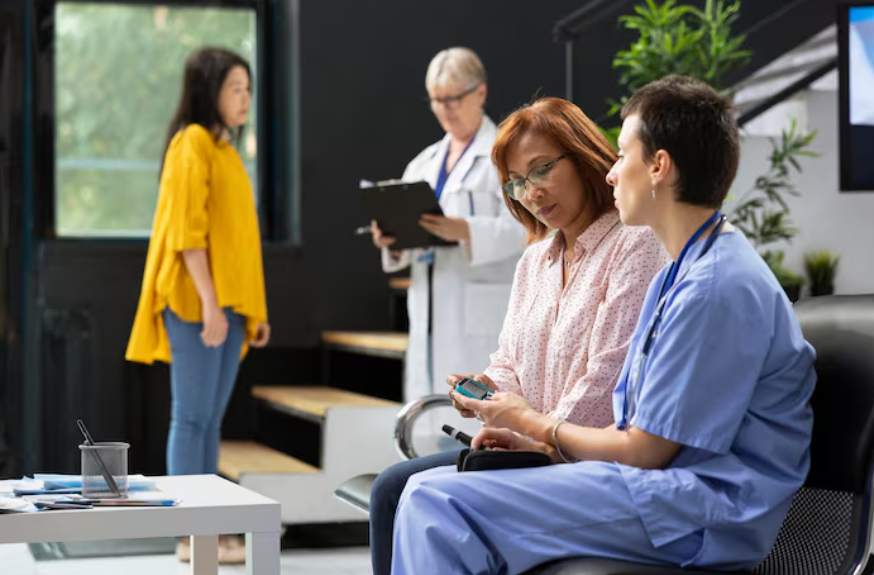
Healthcare is rapidly evolving, and technology is playing a major role in reshaping how care is delivered. Among the most impactful developments is the introduction of patient journey solutions. These systems are designed to improve the entire patient experience, guiding individuals smoothly from their first appointment through treatment, follow-up care, and even long-term management. By focusing on efficiency, personalisation, and communication, patient journey solutions are helping healthcare providers deliver better outcomes while enhancing patient satisfaction.
What Is the Patient Journey?
The patient journey encompasses every step a person takes from the first recognition of symptoms to recovery or ongoing management of a condition. It includes key stages such as initial consultation, diagnosis, treatment, and post-care follow-ups. Each stage has its own challenges and opportunities, and inefficiencies at any point can affect the overall experience and outcomes. Understanding this journey is critical for healthcare providers seeking to improve care, reduce delays, and ensure patients feel supported throughout the process.
Patient journey solutions aim to map and optimise every stage of this pathway. By identifying potential obstacles and streamlining communication, healthcare providers can ensure patients receive timely interventions and remain informed throughout their care. This approach not only enhances satisfaction but also improves adherence to treatment plans and overall health outcomes.
The Impact of Digital Health Technologies
Digital technologies are at the core of modern patient journey solutions. Electronic health records, telehealth services, and mobile applications allow providers to manage patient information more efficiently and securely. These tools centralise data, making it easier for healthcare professionals to access accurate information, track progress, and make informed decisions.
Telehealth, in particular, has become an essential component of the patient journey. Virtual consultations reduce travel barriers, giving patients access to specialists without the need to visit multiple facilities. Mobile applications provide educational resources, reminders, and personalised guidance, helping patients understand their conditions and follow treatment plans effectively. Together, these technologies create a smoother, more connected experience for patients and providers alike.
Enhancing Patient Engagement
Patient engagement is a central goal of modern healthcare solutions. When patients are informed and actively involved in their care, they are more likely to adhere to treatment plans and take steps to improve their health. Digital tools provide educational content, interactive guides, and personalised updates, empowering patients to understand their conditions and the steps required for recovery.
Engaged patients are also better equipped to communicate their needs and concerns to healthcare providers. This two-way communication helps build trust and encourages proactive participation in care, which ultimately contributes to better outcomes. By integrating engagement-focused tools into the patient journey, healthcare providers can reduce anxiety and help patients feel supported every step of the way.
Streamlining Appointments and Diagnostic Processes
Scheduling and diagnostic procedures are often major sources of delays in traditional healthcare systems. Patient journey solutions streamline these processes by providing online booking options and automated scheduling. This reduces missed appointments, ensures optimal use of healthcare resources, and gives patients greater control over their care.
Advancements in diagnostic tools also play a key role. Digital diagnostics allow for faster, more accurate results, enabling healthcare providers to start treatments earlier. Faster access to accurate information is critical for conditions that require timely intervention, improving the likelihood of successful outcomes. By integrating these tools into patient journey solutions, healthcare facilities can enhance both efficiency and patient satisfaction.
Personalising Treatment Plans
Not every patient responds to treatment in the same way. Patient journey solutions help personalise care by analysing patient data and identifying the most effective treatment plans. Artificial intelligence and machine learning can evaluate historical data and predict which approaches are likely to succeed, allowing healthcare providers to offer tailored solutions.
Personalised care increases the chances of positive outcomes and ensures patients feel that their individual needs are recognised. This approach also enables healthcare professionals to adjust plans in real time, responding to changes in a patient’s condition or progress. By combining data analysis with clinical expertise, patient journey solutions create more responsive and effective treatment strategies.
Improving Communication and Coordination
Clear communication between patients and healthcare providers is essential for successful care. Patient journey solutions use digital platforms to ensure messages are delivered quickly and accurately. This helps break down barriers between departments, allowing teams to collaborate and keep patients informed.
Real-time updates about test results, treatment schedules, or medication changes ensure patients are never left uncertain about their care. For healthcare teams, centralised communication tools reduce misunderstandings and delays, making the entire system more efficient. Coordinated care supported by technology improves both patient satisfaction and clinical outcomes.
Monitoring Patient Progress
Wearable devices and mobile applications are increasingly being used to monitor patient progress. These tools track vital signs, activity levels, and medication adherence, providing healthcare providers with real-time data. Early detection of any changes in health allows for prompt intervention, reducing the risk of complications and supporting ongoing recovery.
Continuous monitoring is particularly valuable for patients with chronic conditions or those recovering from major procedures. By staying informed about a patient’s progress outside the hospital, healthcare providers can adjust treatment plans as needed, ensuring consistent and effective care.
Reducing Hospital Readmissions
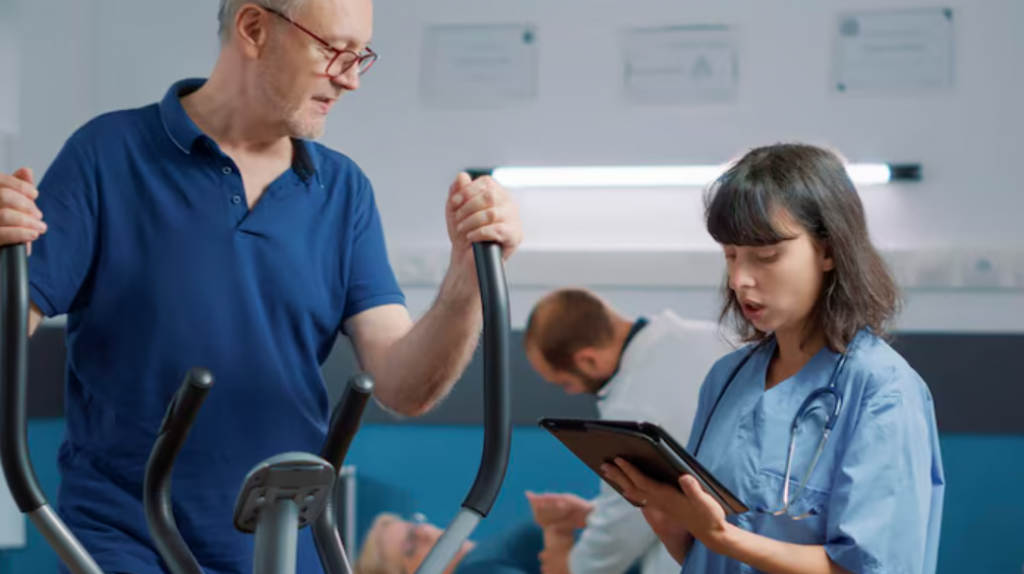
Hospital readmissions are costly and often preventable. Patient journey solutions help address this issue by providing post-discharge support. Through follow-up calls, mobile check-ins, and remote consultations, healthcare teams can ensure patients adhere to care plans and address any emerging issues before they escalate.
This approach not only improves patient outcomes but also reduces the strain on hospital resources. By keeping patients connected to their healthcare providers even after leaving the facility, patient journey solutions contribute to a more sustainable and effective healthcare system.
The Future of Patient-Centric Healthcare
Patient journey solutions represent a shift towards more patient-centric healthcare. By integrating technology, communication, and personalised care, these solutions ensure patients receive support at every stage of their journey. Healthcare providers can deliver more efficient services while patients experience care that is tailored, informed, and responsive.
As technology continues to evolve, the potential for innovation in patient journey solutions grows. From enhanced predictive analytics to expanded telehealth capabilities, the future of healthcare promises even more seamless and personalised experiences for patients.
Conclusion
The implementation of patient journey solutions is transforming healthcare by placing the patient at the centre of care. From initial consultation to follow-up and long-term management, these solutions streamline processes, enhance communication, and improve outcomes. Digital health technologies, personalisation, and continuous monitoring ensure that patients receive timely, efficient, and effective care.
Healthcare providers adopting these solutions can deliver more coordinated and patient-focused services, reduce readmissions, and optimise resource use. By leveraging patient journey solutions, the modern healthcare system can meet the growing demands for quality, accessibility, and personalised care. For patients and providers alike, this represents a significant step forward in achieving better health outcomes and more positive healthcare experiences.