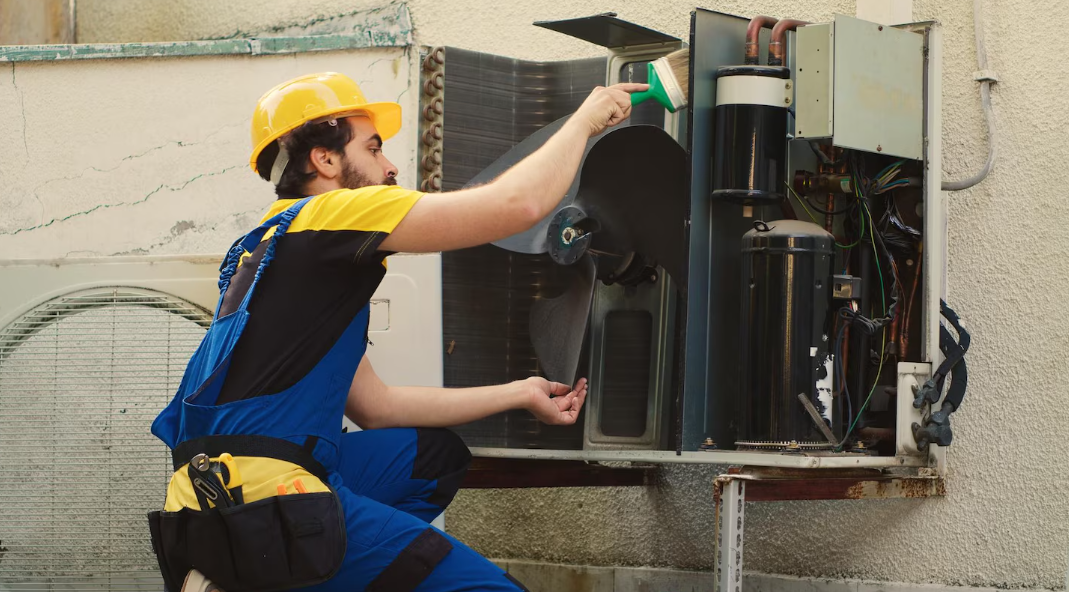
Air conditioning has become a necessity in homes, offices, and industrial settings. Maintaining a comfortable indoor environment is not only about temperature control but also about air quality, energy efficiency, and system longevity. Central to achieving all this is the role of an air conditioning installer. These professionals ensure that systems are installed correctly, operate efficiently, and meet both safety and environmental standards. Their work forms the backbone of a seamless climate control experience, making them indispensable in modern living and working spaces.
Understanding the Profession of Air Conditioning Installers
Air conditioning installers are specialists responsible for fitting air conditioning units across a variety of settings. Their work begins with assessing the layout of a space to determine the optimal placement of units. This involves careful planning to comply with building codes and technical specifications, as well as evaluating airflow, electrical requirements, and available ductwork. Installers are also tasked with connecting electrical components, configuring control systems, and testing the unit to ensure proper functionality.
The profession requires a combination of technical expertise and problem-solving skills. Installers must be able to diagnose potential issues, understand mechanical and electrical systems, and adapt to challenges presented by different environments. A solid understanding of refrigeration principles, air circulation, and climate control technology forms the foundation of their work. In addition, installers must keep up with evolving tools and systems, particularly as the industry incorporates advanced technologies.
Training, Certification, and Real-World Experience
Becoming a competent air conditioning installer involves a structured learning process. Many begin with formal education or apprenticeships that cover the fundamentals of HVAC systems, electrical work, and safety practices. Certification from industry bodies often validates an installer’s expertise, demonstrating their ability to handle complex installations and comply with regulatory requirements.
On the job, installers face real-world challenges that require adaptability and skill. Working in residential, commercial, and industrial spaces means adjusting to different layouts, equipment types, and environmental conditions. Weather can also impact installation processes, particularly when external units are involved. Time management is another critical aspect, as installers often balance servicing existing systems and installing new units efficiently.
The Importance of Proper Installation
Proper installation is essential for the performance and longevity of air conditioning systems. A poorly installed unit can lead to inefficiencies, higher energy bills, and frequent repairs. Ensuring that all components are correctly aligned, sealed, and securely connected prevents refrigerant leaks and maintains optimal airflow.
Beyond system efficiency, installation impacts health and environmental outcomes. Properly installed air conditioning units help maintain air quality by controlling humidity, filtering allergens, and reducing dust. Modern systems increasingly incorporate eco-friendly features, including energy-saving modes and low-emission refrigerants. Installers ensure these features function correctly, enabling homeowners and businesses to enjoy both comfort and sustainability.
Technological Advancements in Air Conditioning
The air conditioning industry has seen rapid technological evolution, with smart and energy-efficient systems becoming standard. Intelligent climate control allows units to integrate with smartphones and other digital devices, giving users remote access to temperature settings and energy usage monitoring. Installers must be proficient in configuring these systems and educating users on how to leverage their benefits.
Energy efficiency has become a central concern for both environmental and financial reasons. High-performance units with superior Seasonal Energy Efficiency Ratio (SEER) ratings consume less electricity while delivering effective cooling. Installers play a key role in selecting and fitting these systems to ensure maximum efficiency. By implementing energy-conscious installations, they contribute to reducing operational costs and minimising environmental impact.

Safety and Compliance Considerations
Safety is a critical responsibility in air conditioning installation. Installers must follow updated safety protocols to handle refrigerants correctly, secure electrical connections, and maintain proper ventilation. Adhering to local building codes and industry standards ensures that systems are safe, efficient, and compliant with regulatory requirements.
Educating clients on regular maintenance is also part of an installer’s role. Routine checks prevent major breakdowns, prolong system life, and maintain energy efficiency. This proactive approach to upkeep highlights the installer’s contribution not just in setup but in ongoing system reliability and performance.
Career Prospects and Industry Evolution
The demand for skilled air conditioning installers is growing. Expanding construction projects, rising energy efficiency standards, and the adoption of advanced HVAC technologies all increase the need for qualified professionals. As buildings become more complex, particularly with integrated climate control and smart technologies, the installer’s expertise becomes even more valuable.
Career growth in this field is closely linked to continuous learning. Installers need to stay informed about emerging technologies, installation techniques, and changes in regulations. This ongoing education ensures that professionals remain competitive and capable of meeting modern demands. Opportunities range from residential service roles to complex industrial installations, providing varied paths for career development.
The Expanding Role of Installers in Modern HVAC Systems
Air conditioning installers today are more than technicians; they are consultants who guide clients through system selection, setup, and ongoing use. With the integration of smart controls, remote monitoring, and energy management systems, their expertise shapes how users interact with and benefit from HVAC systems. Installers ensure that units function as intended, maintain energy efficiency, and provide safe and comfortable indoor environments.
The ability to personalise installations is also increasingly important. Installers consider client preferences, room size, insulation quality, and usage patterns to recommend units and configurations that meet specific needs. This attention to detail ensures that each installation delivers optimal comfort, performance, and energy savings.
Conclusion: Beyond Installation
An air conditioning installer is a critical part of creating comfortable, efficient, and sustainable indoor environments. Their work encompasses technical installation, system optimisation, client education, and compliance with safety and environmental standards. With technological advancements driving the industry forward, installers must continuously expand their knowledge and skills to stay effective.
By ensuring systems operate efficiently, incorporating smart and eco-friendly technologies, and educating clients on proper use and maintenance, air conditioning installers contribute significantly to long-term comfort and operational savings. Their expertise not only meets immediate cooling needs but also supports healthier, more sustainable living and working spaces. As climate control systems evolve, the role of skilled installers will remain indispensable, providing reliable and efficient solutions in a dynamic and growing industry.